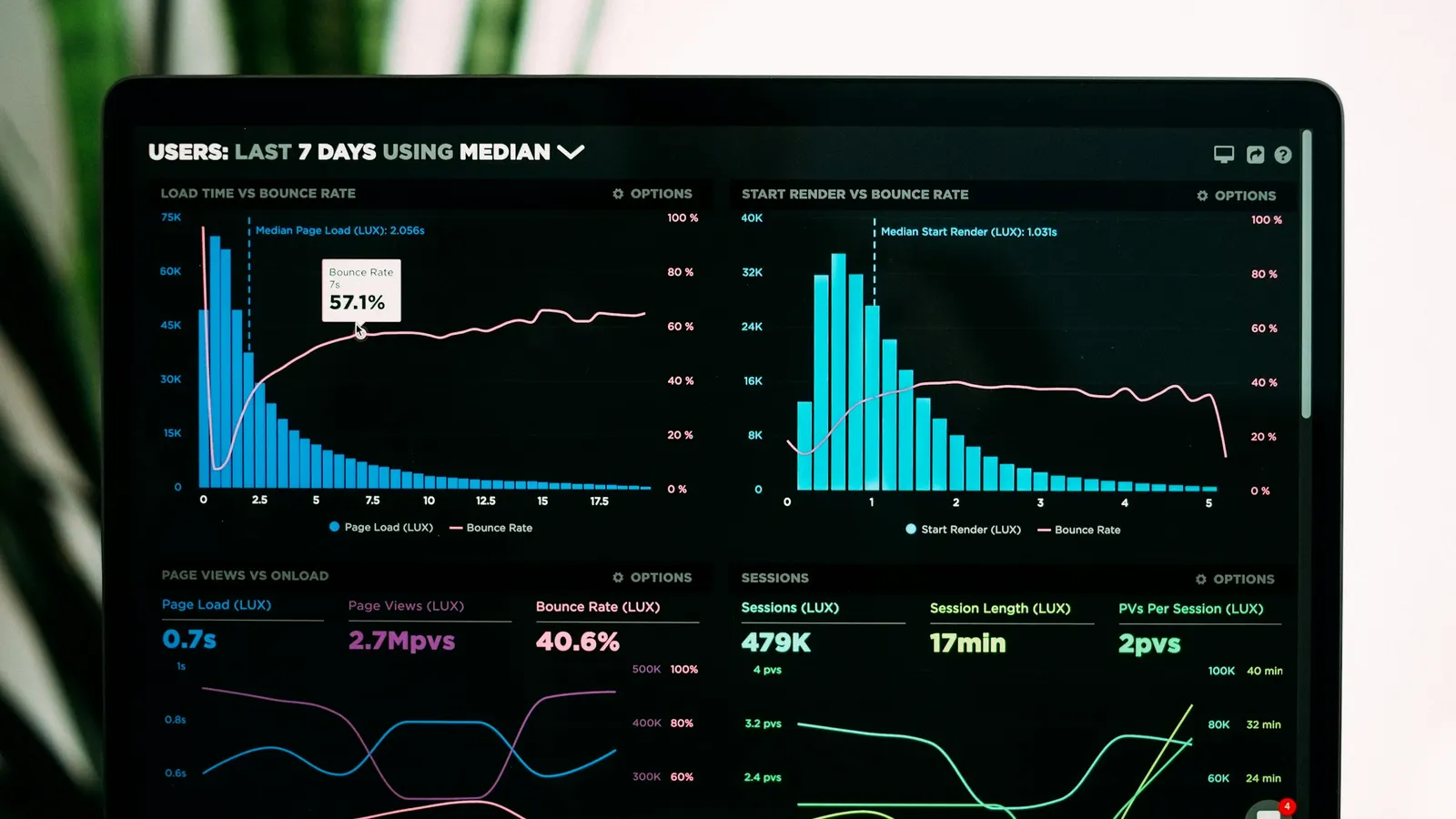
GEO vs SEO — how optimising for AI answer engines differs from classic search, and why you need both.
SEO optimises to rank in a list of search results; GEO (Generative Engine Optimisation) optimises to be understood and cited by AI answer engines like ChatGPT and Google AI Overviews. They overlap heavily and share foundations — but the goal differs: a ranking link vs being the answer. Here's how they compare in detail and why most businesses genuinely need both. For a deeper technical dive into the mechanics behind generative retrieval specifically, see how AI search engines choose which sources to cite.
Quick Comparison
| SEO | GEO | |
|---|---|---|
| Goal | Rank in search results | Get cited in AI answers |
| Output | A clickable link | A mention or citation within a generated answer |
| Optimises for | Google's ranking algorithm | AI engines' understanding and trust |
| Key levers | Keywords, backlinks, technical SEO | Consistent entities, answer-first content, trusted mentions, structured data |
| Success metric | Rankings, clicks | AI visibility, citation frequency |
| Measurement tools | Established, mature (rank trackers, analytics) | Still emerging and less standardized |
| Timeline | Well-understood, predictable patterns | Newer discipline, evolving best practices |
Who Should Read This Comparison First
If you're new to either discipline, this comparison is worth reading before diving into the deeper tactical guides — what is GEO and how to get mentioned by ChatGPT — since understanding how the two relate first makes the specific tactics in those guides easier to place in context, rather than treating GEO as an entirely disconnected new discipline with no relationship to work you may have already been doing.
What SEO Focuses On
Ranking pages through relevant content, backlinks, technical site health, and overall user experience — the traditional playbook that still drives the majority of organic, discoverable web traffic today. SEO has decades of accumulated practice behind it, mature measurement tools, and a well-understood (if constantly evolving) set of ranking factors that professionals can optimize against with real confidence.
What GEO Focuses On
Being recognised and recommended by AI — consistent brand facts maintained across the web, answer-first content structured for easy extraction, structured data that makes entity information machine-parseable, genuine reviews, and presence on the trusted third-party sources AI systems draw on. See what is GEO for the complete breakdown of these tactics and why each one matters.
Where They Overlap
Considerably more than most people initially expect. Quality content, structured data, genuine authority, and consistency across the web all help both disciplines simultaneously — a well-structured, authoritative, accurately-described site tends to perform better on both fronts, not because they're identical, but because both ultimately reward the same underlying qualities: being genuinely useful, trustworthy, and clearly organized. GEO isn't a replacement for SEO — it's a natural extension of many of the same principles, applied to a newer kind of "search" surface.
How Team Structure Might Reflect This Split
Some organizations formally separate SEO and GEO responsibilities as distinct roles once both have grown large enough to justify dedicated ownership; most small and mid-sized businesses are better served keeping them under one person or team, precisely because of how heavily they overlap in required skills and daily activities. Splitting them prematurely into separate silos risks duplicated effort (two people independently auditing the same content for different but overlapping reasons) or, worse, gaps where neither owner feels responsible for a task that technically serves both goals at once.
Where They Genuinely Diverge
The clearest divergence is in the actual mechanics of ranking versus citation. SEO ultimately competes within a defined algorithm that produces a ranked, ordered list — you can meaningfully track your specific position for a specific keyword. GEO competes for inclusion within a generated, synthesized answer that varies each time it's produced, with no fixed "position" to track in the same way — a brand might be mentioned in one generated answer and omitted from a very similarly-phrased query moments later, reflecting the inherently more variable nature of generative output compared to a deterministic ranking algorithm.
A Practical Test: Run the Same Query Both Ways
A genuinely useful, low-effort exercise for understanding the gap between the two disciplines directly: take a query central to your business, search it normally in a traditional search engine, then ask an AI assistant the same question conversationally. Compare who appears in the traditional ranked results against who (if anyone) the AI assistant actually names and recommends. Doing this for a handful of your most important category queries — not just once, but repeated periodically — gives a concrete, personal sense of where your specific gap between SEO and GEO performance currently sits, rather than reasoning about it only in the abstract.
Measurement Differences Worth Understanding
SEO benefits from mature, standardized measurement — rank tracking tools, click-through data, conversion attribution, all built on years of established practice. GEO measurement is considerably newer and less standardized, since there's no universal "AI visibility score" equivalent to a search ranking position. In practice, GEO measurement today means periodically checking how AI systems actually describe and recommend your brand for relevant queries, comparing results over time, rather than pulling a single definitive metric from a mature analytics dashboard the way SEO professionals can.
Do You Need Both?
Yes, for the great majority of businesses. SEO still drives the majority of discoverable traffic today, and neglecting it in favor of GEO alone leaves real, current traffic on the table. GEO protects your visibility specifically as users shift more of their research and discovery behavior toward AI-assisted answers — a channel that's growing but hasn't replaced traditional search as the dominant discovery method. Treating these as complementary investments, rather than choosing one over the other, reflects where user behavior actually stands today rather than betting entirely on where it might be headed.
Who Should Read This Comparison
Marketing leads deciding how to allocate limited time and budget between established SEO work and a newer discipline, SEO specialists expanding their own scope to cover GEO, and business owners simply trying to understand whether "AI search" is something that genuinely requires new investment or is already covered by their existing SEO work all benefit from a clear-eyed comparison rather than either dismissing GEO as a fad or treating it as a wholesale replacement for proven SEO fundamentals.
How to Prioritize Between the Two
For most businesses without unlimited resources, the practical answer is: maintain your existing SEO fundamentals (they're not going anywhere, and much of that work also supports GEO), and layer GEO-specific tactics on top incrementally — starting with the highest-leverage, lowest-effort items like ensuring consistent brand facts across your existing web presence and adding structured data you may not have already. This isn't an either/or resource allocation decision so much as recognizing that a meaningful share of SEO work already contributes to GEO, and the incremental additional effort for GEO-specific tactics is often smaller than treating it as an entirely separate initiative might suggest.
Common Questions From Teams New to This Comparison
Teams encountering GEO for the first time often ask a similar handful of questions worth addressing directly. "Do we need new tools?" — not necessarily; many existing SEO and analytics tools are adding GEO-adjacent tracking, though dedicated AI visibility checkers fill a genuine current gap. "Do we need new skills?" — mostly not; the core competencies (content quality, structured data, authority building) are the same ones a solid SEO practice already requires, applied with a slightly different emphasis. "How fast should we expect results?" — slower and less predictable than SEO's relatively well-understood ranking patterns, since GEO is a newer, still-maturing discipline with fewer established benchmarks to calibrate expectations against.
What a Combined SEO + GEO Checklist Might Look Like
In practice, a single combined checklist covering both disciplines might include: keyword-targeted, comprehensive content (serves both); consistent brand facts across all web listings (primarily GEO, but also supports local SEO); technical site health and page speed (primarily SEO); structured data and schema markup (serves both directly); genuine backlinks and third-party mentions (serves both, weighted somewhat differently); and reviews and reputation management (primarily GEO, with secondary SEO benefit). Working from one integrated checklist, rather than two entirely separate ones, reflects how much these two disciplines' practical to-do items actually overlap in a typical business's day-to-day execution.
Budget and Resource Allocation in Practice
For a business with a defined marketing budget, a reasonable starting allocation might dedicate the large majority of ongoing SEO effort to existing, proven work — content, technical health, backlinks — while carving out a smaller, deliberate portion specifically for GEO fundamentals: brand fact audits, structured data implementation, and third-party listing work. This ratio can shift over time as GEO's role in your specific category's customer research becomes clearer, but starting with SEO as the larger, proven investment and GEO as a smaller, deliberate bet reflects where the actual traffic and revenue impact currently sits for most businesses.
Which Businesses Should Prioritize GEO Sooner Rather Than Later
Businesses in categories where research and comparison-shopping increasingly start with an AI-assisted query — software and B2B tools, high-consideration purchases, anything with a meaningful "best X" or "X vs Y" comparison pattern in how customers research — benefit from prioritizing GEO sooner, since these are exactly the query types AI answer engines handle frequently. Businesses relying heavily on hyper-local, immediate-intent search (a nearby restaurant, an emergency service) may see less immediate GEO impact today, though this is likely to shift as AI-assisted local discovery continues to mature.
How This Balance Might Shift Over Time
It's reasonable to expect the SEO/GEO balance to shift gradually as AI-assisted research becomes a larger share of how people discover and compare options — but it's worth being skeptical of any claim predicting a precise timeline for this shift, since it depends heavily on category-specific user behavior that varies considerably and is still actively evolving. The more durable approach is monitoring your own actual traffic and referral patterns over time — noticing if AI-assisted research is genuinely growing as a discovery channel for your specific business and category — rather than reallocating budget based on general industry predictions alone.
A Worked Comparison: The Same Query, Two Different Outcomes
Consider the query "best accounting software for freelancers." In a traditional SEO context, this produces a ranked list of pages — comparison articles, individual product pages, review roundups — each competing for position, with the searcher clicking through one or several to form their own opinion. In a GEO context, the same query put to an AI assistant might produce a synthesized answer naming two or three specific tools directly, drawing on patterns across many sources describing those tools favorably and consistently, without the user ever seeing the full ranked list at all. A business appearing prominently in the first scenario but never mentioned in the second is experiencing exactly the gap GEO exists to close — strong traditional SEO performance that doesn't automatically translate into AI-assisted recommendation.
Check Your Standing on Both Fronts
Check your AI visibility specifically with the free AI Visibility Checker to see where you currently stand in this newer channel, alongside whatever existing SEO tracking you already have in place for traditional search performance.
Frequently Asked Questions
Will the specific balance between SEO and GEO importance keep changing?
Almost certainly yes, as AI-assisted research adoption evolves — treat any specific ratio as a current best guess to revisit periodically against your own actual traffic and referral data, not a fixed, permanent allocation.
Does niche or specialist positioning affect the SEO/GEO balance?
Yes — niche categories often have thinner competition on both fronts, but especially on GEO specifically, since fewer competitors have deliberately worked on their AI visibility, making it a genuinely accessible opportunity for a well-documented specialist.
Should I check my AI visibility against more than one AI system?
Yes — different AI systems can genuinely produce different results for the same brand, so checking only one may not represent how you're actually seen across the range of systems your customers use. Our AI Visibility Checker gives a useful starting baseline.
Does existing support or FAQ content help with GEO the same way it might help SEO?
Yes, often more directly for GEO — well-organized help documentation tends to already be exactly the clear, answer-first content AI systems favor, since it exists specifically to directly answer real customer questions.
Can I pay for guaranteed GEO results the way I can pay for search ads?
No — GEO is fundamentally an organic, earned-visibility discipline with no current paid-placement mechanism to guarantee inclusion in an AI-generated answer, unlike paid search which guarantees a specific position for a price.
Should SEO and GEO be managed by the same person or separate roles?
For most small and mid-sized businesses, the same person or team, since the two overlap heavily in required skills and daily activities. Larger organizations sometimes split them once both have grown enough to justify dedicated ownership, but premature separation risks duplicated effort or ownership gaps.
Is GEO replacing SEO?
No — it complements it. SEO still wins search rankings and drives the majority of discoverable traffic; GEO wins AI citations in a growing but still secondary discovery channel. Most businesses need both rather than choosing one.
What's the main difference between GEO and SEO?
SEO ranks you within a list of clickable search results; GEO gets you cited or mentioned directly within an AI-generated answer. The underlying foundations overlap significantly, but the specific mechanics and measurement differ.
Does good SEO help GEO?
Yes — quality content, structured data, and genuine authority benefit both disciplines simultaneously, since AI systems and search ranking algorithms both ultimately reward being genuinely useful, trustworthy, and clearly organized.
Which should I prioritize if I can only focus on one right now?
For most businesses, maintain existing SEO fundamentals first, since they still drive the majority of current traffic, then layer GEO-specific tactics on top incrementally rather than treating it as a competing, separate initiative.
How is measuring GEO different from measuring SEO?
SEO has mature, standardized tools (rank trackers, analytics) built on years of established practice. GEO measurement is newer and less standardized, typically involving periodic checks of how AI systems describe your brand rather than a single definitive metric.
Are there businesses that should prioritize GEO especially soon?
Yes — businesses in categories where research and comparison increasingly start with an AI-assisted query, like B2B software or high-consideration purchases, benefit from prioritizing GEO sooner than businesses relying mainly on immediate, hyper-local search intent.
Can a brand rank well in traditional SEO but still be invisible to AI?
Yes — the two aren't perfectly correlated, since AI visibility depends on additional factors like consistent third-party mentions and structured entity data that don't always track directly with search ranking position.
Is there a simple way to see the SEO/GEO gap for my own business?
Yes — search a core business query normally, then ask an AI assistant the same question conversationally, and compare who appears in each. Repeating this periodically for your top few category queries gives a concrete, personal read on where your specific gap currently sits.
Is it worth tracking GEO if there's no standardized measurement tool yet?
Yes — periodic manual checks using a tool like our AI Visibility Checker still provide a genuinely useful signal, even without the mature, standardized measurement ecosystem SEO has built up over decades.
Want a strategy for both search and AI? Scult's SEO & GEO team.