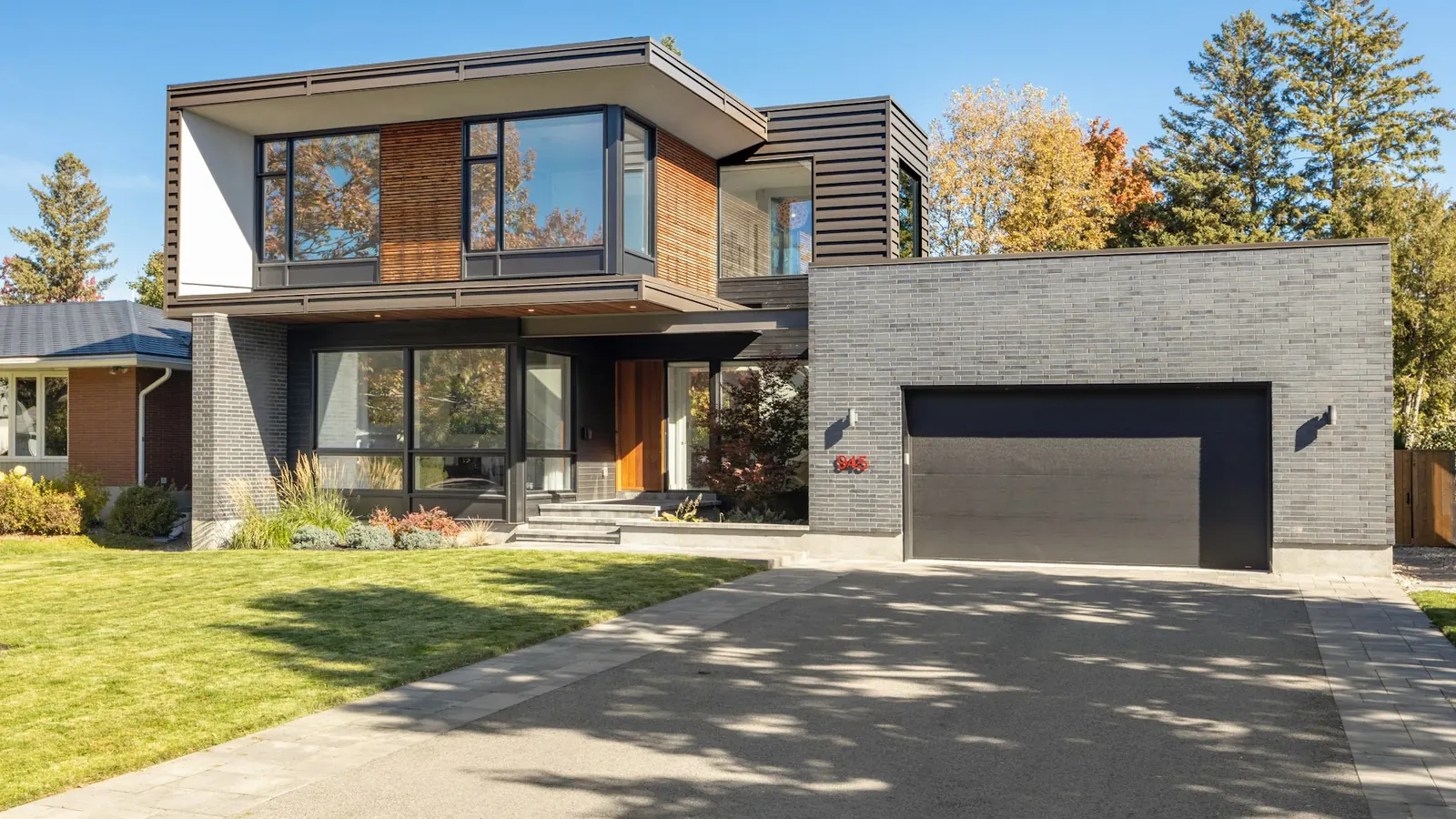
What high-value brokerages need from real estate website development — MLS/IDX, lead capture, and property search that matches the listing quality.
Real Estate Website Development for High-Value Brokerages
Direct answer: A real estate website built for a high-value brokerage needs four things a generic template rarely delivers together: clean MLS/IDX data that stays in sync without manual re-entry, a property search experience fast enough to match how buyers actually filter listings, media handling that does justice to $2M+ properties (large galleries, matterport/virtual tour embeds, fast load times despite heavy images), and lead capture built around how serious buyers behave — not a generic contact form buried at the bottom of a listing page. Get those four right and the website becomes a lead-generation asset instead of a digital brochure.
Most brokerage websites are built once, by whoever was cheapest at the time, and then left alone for years while the brokerage's actual listing inventory and buyer expectations move on. For a brokerage working $1M+ listings, that gap is expensive: buyers evaluating a seven-figure purchase form an impression of the brokerage's credibility from the website before they ever call an agent. A slow, cluttered, template-driven site undercuts a listing that photographs beautifully in person. This piece covers what actually goes into building a real estate website that holds up at the high end of the market — the data integrations, the UX decisions, the cost, and the mistakes that quietly cost brokerages leads.
What is real estate website development for a high-value brokerage?
Real estate website development for this segment is the process of building a property search and lead-generation platform that's tightly coupled to how a brokerage actually sells: MLS-fed listing data, agent profiles tied to their own deals, saved-search and alert functionality for serious buyers, and a presentation layer built for high-resolution photography and video rather than generic stock templates. It sits apart from a standard small-business website in one important way — the content (listings) changes constantly and comes from an external data source (the MLS, via an IDX feed), so the technical architecture has to handle that feed cleanly rather than treating listings as static pages someone edits by hand.
For a high-value brokerage specifically, the bar is higher than for a general residential team. Buyers at this price point are comparing your website's polish against private banking portals, luxury retail sites, and other premium brokerages — not against the local realtor down the street. That means real estate web development here is closer to a custom software project than a marketing site: it needs proper data architecture, image pipeline decisions, and UX research into how affluent buyers actually search, not just a page builder and a logo swap.
How much does a real estate website cost to build?
Cost scales with how much of the experience is genuinely custom versus configured from an existing IDX plugin or theme. Three tiers cover most brokerages:
| Tier | Price | What it typically covers |
|---|---|---|
| Essential | $1,000 | A polished marketing site with IDX/MLS listing feed integration, agent profile pages, and a lead-capture form connected to your CRM. Right fit for a small team validating whether a stronger web presence moves the needle. |
| Growth | $2,000 | Custom search and filtering UX beyond the stock IDX plugin experience, saved searches and buyer alerts, virtual tour/media galleries built for large image sets, and deeper CRM/lead-routing integration. |
| Enterprise | $4,000+ | Fully custom property search built on your own data layer (not just a themed IDX plugin), multi-office/multi-brand architecture, custom agent CRM integrations, and bespoke design work distinct from every other brokerage using the same plugin ecosystem. |
The single biggest cost driver isn't design — it's the IDX/MLS integration and how much custom search logic sits on top of it. A brokerage happy with the default IDX plugin search experience can stay near the Essential-to-Growth range. A brokerage that wants search behavior indistinguishable from a genuinely custom platform — cross-MLS aggregation, custom map-based filtering, saved-search email digests with real personalization — moves into Enterprise territory. Our pricing page breaks these tiers down further, and our general cost of custom software development piece covers the variables that apply regardless of industry.
How long does it take to build a real estate website?
An Essential-tier site with standard IDX integration typically runs 4-6 weeks from kickoff to launch — most of that time goes into content (listing descriptions, agent bios, brokerage story) and IDX credential setup and testing rather than development itself. A Growth-tier build with custom search UX and saved-search functionality typically runs 8-12 weeks. Enterprise builds with custom data architecture and multi-brand requirements can run 4-6 months, largely because the discovery phase itself — mapping exactly how your MLS feed structures data, how many boards you need to pull from, and how agents currently manage listings — takes real time to get right before development starts.
The variable most brokerages underestimate is MLS/IDX approval and setup time. Some MLS boards have their own vendor approval processes and data-license paperwork that can add two to four weeks before a single line of integration code gets written. Confirm this timeline with your specific MLS board early, not after your development team is already mid-build.
What features should a real estate website include?
A checklist for what belongs in a serious brokerage website, beyond the obvious listing pages:
- MLS/IDX-fed listings with automatic sync (no manual re-entry when a listing's price or status changes)
- Map-based search with drawable boundaries, not just city/zip dropdown filters
- Saved searches with email or SMS alerts when new matching listings hit the feed
- High-resolution photo galleries and video/virtual-tour embeds that don't tank page load speed
- Agent profile pages tied to that agent's actual active and sold listings
- Mortgage/affordability calculators for buyer self-qualification
- Lead capture tied directly into your CRM, not a form that dumps into an inbox someone checks twice a day
- Mobile-first layout — most property searches, even for high-value listings, start on a phone
- SSL, fast hosting, and image optimization pipeline (large galleries are the most common cause of slow load times on real estate sites)
- Clear, working contact paths on every listing page — not just a single generic "contact us" page
Missing any one of these doesn't sink a website on its own, but the combination of a slow image pipeline and a form-based-only contact path is the single most common reason a real estate website generates traffic without generating leads.
Virtual Tours and Media for High-Value Listings
At the price points a high-value brokerage sells into, photography and video aren't decoration — they're often the deciding factor in whether an out-of-town or international buyer books a viewing at all. That raises the technical bar for how the site handles media:
- Matterport and 3D walkthrough embeds need to load without freezing the rest of the page — poorly embedded 3D tours are one of the most common causes of a listing page timing out on a mobile connection
- Drone and exterior video for estates and larger properties should stream progressively rather than forcing a full download before playback starts
- Image galleries need responsive, properly sized image variants served per device — a gallery serving desktop-resolution images to a phone is a common, invisible cause of slow load times
- Print-quality photo downloads for agents to use in offline marketing materials, without exposing full-resolution originals to anyone browsing the public site
This is also where UI/UX design work matters as much as backend development — a gallery that's technically fast but visually cramped undersells a property just as much as one that's beautiful but slow. Getting both right at once is a design and engineering problem together, not either alone.
Can a real estate website integrate with MLS and IDX?
Yes, and this is the technical core of the entire project. MLS (Multiple Listing Service) is the regional database of active listings that brokers and agents contribute to; IDX (Internet Data Exchange) is the standard that lets a brokerage display a licensed subset of that MLS data on its own website. Every serious brokerage website needs an IDX feed connection, and there are generally two approaches:
- Plugin/widget IDX integration — a third-party IDX provider handles the data feed and gives you a search widget to embed. Fast to set up, limited in how much you can customize the search experience or the data presentation.
- Custom IDX/RETS or RESO Web API integration — your development team pulls the raw feed (via RETS or the newer RESO Web API standard most MLS boards are migrating toward) and builds fully custom search, filtering, and display logic on top of it.
For a high-value brokerage, the custom approach is usually worth the extra cost specifically because affluent buyers filter differently — by lot size, by view, by specific architectural features — and a stock IDX widget's filter options rarely go deep enough. Confirm data-licensing terms with your specific MLS board before committing to an architecture; some boards restrict how listing data (especially sold/pending data) can be displayed or how long it can be cached, and those rules vary by region.
How do you choose a company to build a real estate website?
Ask any vendor to walk through a past real estate project in enough technical detail that you can judge whether they actually built the IDX integration or just installed a plugin and called it custom. Specific questions worth asking:
- Which IDX/MLS data standard have you integrated with before — RETS, RESO Web API, or a specific vendor's proprietary feed?
- How do you handle listing photo optimization at scale, so galleries load fast without looking compressed?
- What happens to search functionality and saved-search data if we switch platforms later — do we own that architecture, or is it locked into a vendor's plugin ecosystem?
- Can you show a live example of custom search/filtering you've built, not just a themed template?
A development partner that can answer these specifically — with a real example, not a generic pitch — is worth more than one offering the lowest quote. Our methodology page explains how we run discovery on projects like this before committing to a build path, and our case studies show the level of technical detail a real vendor should be able to walk you through. Our comparisons hub is also worth checking if you're weighing us against other agencies or platforms directly.
The underlying build itself typically draws on web development for the public-facing site and search experience, and custom software development for the IDX/RESO integration layer and any agent-side tools that sit behind it — the two are related but distinct scopes, and a vendor quoting one flat number for both without breaking down which is which is worth a follow-up question.
What makes a real estate website convert visitors into leads?
Conversion at the high end comes down to reducing friction at the exact moment a buyer's interest peaks — usually right after they've viewed photos of a specific property, not on a generic homepage. The mechanisms that actually move conversion:
- Contextual lead capture on listing pages — "Schedule a private showing" or "Request more photos" tied to that specific property, not a single site-wide contact form
- Saved search with alerts — buyers who save a search and get notified of new matches stay engaged over the weeks it typically takes to close a high-value purchase, instead of drifting to a competitor's site
- Fast load times on media-heavy pages — every extra second of load time on a gallery-heavy listing page measurably increases the chance a buyer leaves before the images even finish loading
- Agent visibility, not brokerage anonymity — buyers at this price point want to know who they're dealing with; profile pages with real track records build the confidence a generic "contact us" form doesn't
- Mobile-first design — most initial browsing happens on a phone even when the eventual decision gets made on a larger screen
None of this requires exotic technology — it requires the site being built around actual buyer behavior instead of a generic small-business template repurposed for real estate. Where a lead actually goes once it's captured matters just as much as the capture form itself — our companion piece on real estate CRM development covers how lead routing, deal tracking, and commission calculations connect to the website's front end, and our piece on property management software covers the operational side once a high-value property closes and moves into management rather than sale. AI agents and automation increasingly handle the first response to a new lead — qualifying interest and scheduling a showing before an agent even sees the notification — which meaningfully shortens the gap between a buyer's peak interest and human follow-up.
Is a custom real estate website worth it vs a template or off-the-shelf option?
For most standard residential teams, a well-configured IDX theme is genuinely the right call — faster to launch, lower cost, and good enough when your listing volume and price point don't demand differentiated search UX. The calculus changes for a high-value brokerage for a few specific reasons: your buyers are comparing you against premium, custom-built competitor sites; your listing inventory often includes unusual property types (estates, land, new development) that generic residential search filters don't handle well; and your brand is part of what you're selling, which a shared template design actively works against since dozens of other brokerages use the same theme.
Our general piece on custom software vs. off-the-shelf covers this build-vs-buy tension in more depth outside the real estate context specifically — the same underlying logic (does your use case have genuine, structural differences from the median customer, or just a preference for differentiation) applies here.
What SEO considerations matter for a real estate website?
Real estate SEO has one structural challenge most other industries don't: listing pages come and go constantly as properties sell, and search engines need a URL structure and internal linking approach that doesn't collapse every time inventory turns over. Practical considerations:
- Permanent, well-structured URLs for neighborhood and search-result pages that don't disappear when individual listings do — these accumulate authority over time in a way individual listing pages can't
- Schema markup for property listings (price, address, property type) so search engines and AI answer engines can parse listing data accurately
- Fast page speed — image-heavy real estate pages are especially vulnerable to slow load times hurting both rankings and conversion
- Local content depth — neighborhood guides, market reports, and area-specific pages build authority that individual listing pages, which turn over constantly, can't accumulate on their own
- Redirect discipline — sold listings should redirect to a relevant, live page (a neighborhood page, a similar active listing) rather than becoming dead 404s that waste the SEO equity built into that URL
Our industries hub covers how this SEO approach compares across verticals, and our locations page covers how we handle location-specific SEO for brokerages serving more than one market.
What are common mistakes brokerages make with their real estate website?
The recurring pattern across underperforming brokerage sites:
- Choosing a generic IDX theme that dozens of competing brokerages in the same market also use, with zero visual differentiation
- Letting listing photos load unoptimized, which silently kills both page speed and buyer patience on exactly the pages meant to impress
- Routing every lead through a single generic contact form instead of contextual, listing-specific capture
- Treating the website as a one-time project instead of an ongoing asset — no saved-search follow-up, no neighborhood content, no updates as inventory and market conditions shift
- Skipping mobile testing on the actual gallery and search experience, not just the homepage
- Underestimating MLS/IDX licensing and setup timelines, leading to a launch date built around development alone
Avoiding these isn't exotic — it mostly requires treating the website with the same seriousness as the listings themselves. The same underlying discipline — matching a website's polish and lead-capture logic to a genuinely high-value buyer or guest — shows up in other premium verticals we work with too, including hospitality software development and luxury hotel website development, where the buyer or guest is making a comparably considered, high-ticket decision.
Key Takeaways
- MLS/IDX integration is the technical core of a real estate website — decide early whether a plugin-based feed or a fully custom RESO Web API integration fits your search UX ambitions.
- Pricing scales primarily with how custom the search experience and data architecture need to be, from a $1,000 IDX-integrated marketing site to a $4,000+ fully custom platform.
- Timeline depends heavily on MLS board approval and data-licensing setup — confirm this early, separate from development time.
- Media handling (photo optimization, virtual tour embeds) directly affects both conversion and page speed on the pages meant to impress the most.
- Contextual, listing-specific lead capture consistently outperforms a single generic site-wide contact form.
- A custom build earns its cost when your inventory, brand differentiation needs, or buyer search behavior genuinely exceed what a shared IDX theme can support.
- SEO for real estate needs a URL and redirect strategy built around constant listing turnover, not a static content site's assumptions.
If your current website is underselling listings that sell themselves in person, book a free consultation and we'll walk through what a real estate website built for your actual inventory and buyers would take to build.